
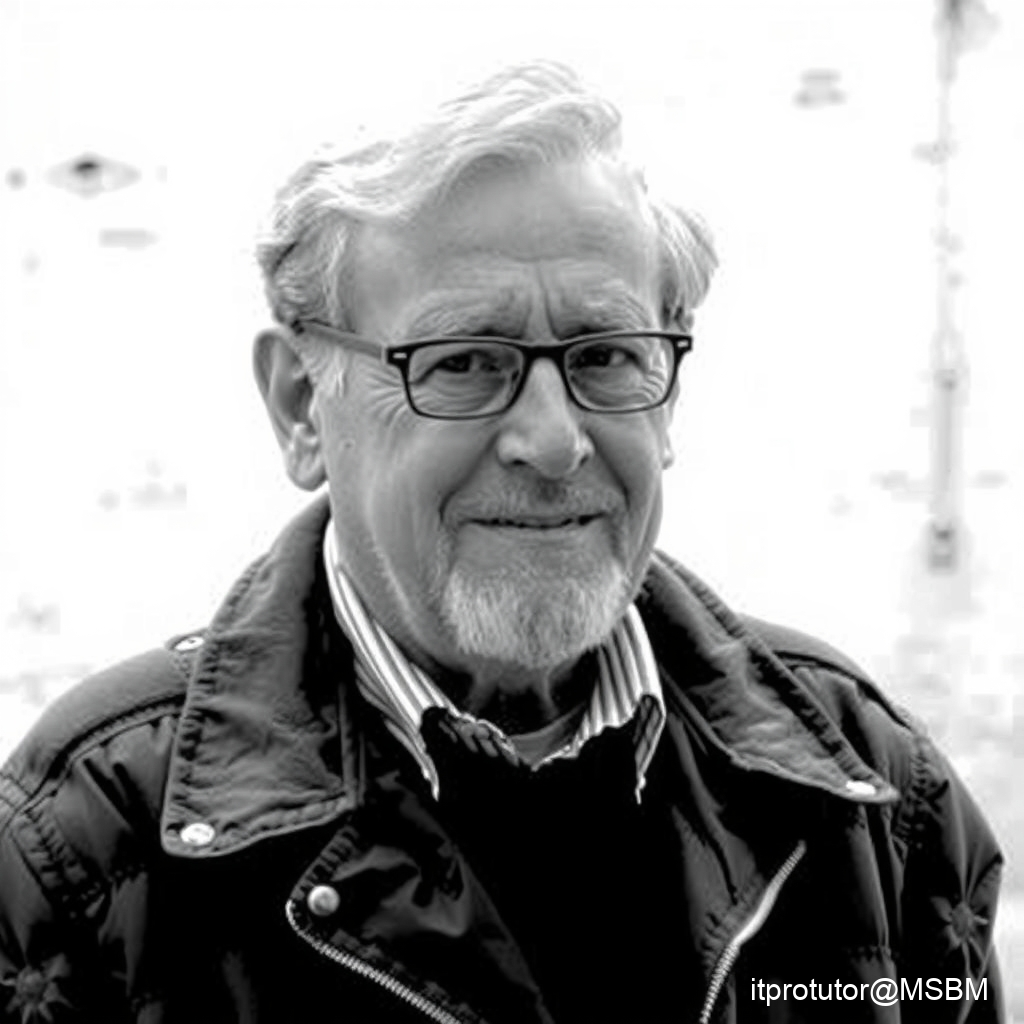
Ever wondered how human behavior and collective belief systems shape the software and digital ecosystems we build today?
Today, we honor the legacy of Colin Fraser, a distinguished social psychologist and Emeritus Fellow at Churchill College, Cambridge, who recently passed away at age 88. Over a 50-year career, Fraser pioneered interdisciplinary research bridging sociology, politics, and language—co-authoring seminal texts such as *Introducing Social Psychology* and *The Social Psychological Study of Widespread Beliefs*. Beyond his influential scholarship, his dry Scottish humor and inclusive mentorship guided generations of researchers.
As an IT educator, I frequently remind developers that code does not exist in a vacuum; technology is ultimately built by and for humans. Fraser’s exploration of widespread beliefs deeply intersects with modern computer science—specifically in algorithmic echo chambers, system design, and Social Proof Theory. In an era where software directly dictates how information spreads and shapes public discourse, how can we as software architects design platforms that mitigate cognitive bias rather than exploit it? Fraser’s multi-disciplinary approach serves as a vital blueprint for tech leaders striving to build ethical, human-centric systems.
—
您是否曾思考過,人類的社會心理與集體信念體系,如何深刻影響著我們今日所建構的軟體與數位生態?
今日我們懷念劍橋大學丘吉爾學院的著名社會心理學家兼名譽院士柯林·弗雷澤(Colin Fraser,享壽88歲)。在長達 50 年的學術生涯中,弗雷澤推動了跨越政治、社會學與語言學的跨學科研究,合著有《社會心理學導論》與《大眾信念的社會心理學研究》等經典著作。他更以嚴謹又幽默的導師風格,培育了無數優秀學者。
作為 IT 導師,我常提醒工程師:程式碼從非孤立存在,科技終究是為人而服務。弗雷澤對「大眾信念」的研究,正巧與當代電腦科學中的演算法同溫層、系統設計以及「社會認同理論」(Social Proof Theory)緊密相連。當軟體已直接主導資訊傳播並塑造社會規範,我們作為架構師與開發者,該如何設計出能減少認知偏誤而非加劇偏見的平台?弗雷澤跨領域的思考模式,正是當代科技人實踐科技倫理與以人為本設計的重要明燈。
#SocialPsychology #TechEthics #Mentorship #UserExperience #ITProTutor
Source: The Guardian
https://www.theguardian.com/education/2026/jul/28/colin-fraser-obituary