
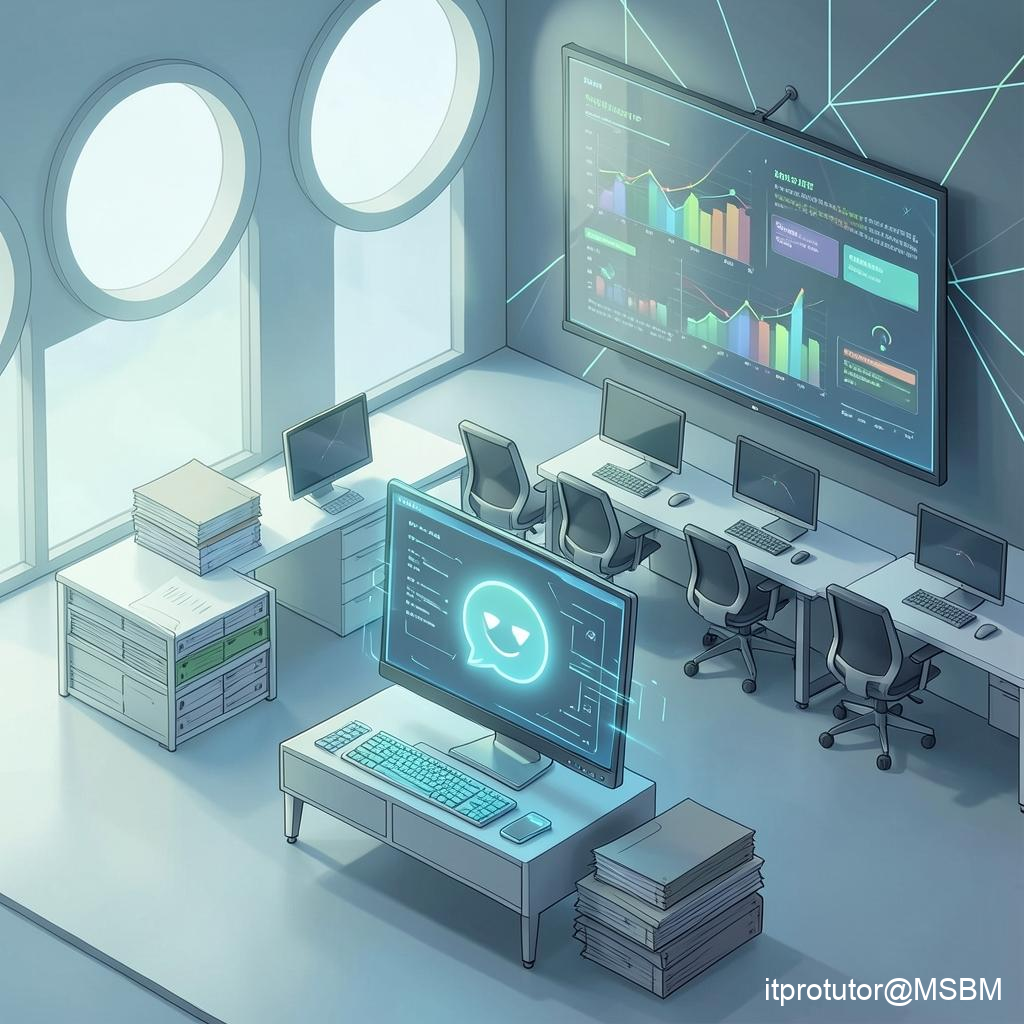
The classic “Hello, have you tried turning it off and on again?” entry-level role is officially going extinct.
Across the enterprise landscape, Large Language Models (LLMs) integrated with real-time voice and multimodal capabilities are rapidly replacing traditional Tier-1 inbound voice and chat support agents. Modern AI models do not merely read from rigid decision trees; they comprehend complex context, interface directly with backend APIs, resolve routine queries, and maintain endless patience at a fraction of human operational costs. From an engineering and cost-efficiency standpoint, this digital transformation is an indisputable victory for organizations striving for 24/7 hyper-scalability.
However, as an IT professional and educator, I view this shift with deep concern for the industry’s long-term health. Tier-1 support was never just about resetting passwords or tracking packages—it served as the primary “stepping-stone” for high school leavers, non-traditional graduates, and junior tech enthusiasts. It was the functional sandbox where entry-level talent developed crucial domain knowledge, mastered troubleshooting logic, understood business processes, and learned the art of translating technical jargon for non-technical users before advancing to Tier-2 engineering or systems administration.
By completely automating the bottom rung of the operational ladder, enterprise tech is inadvertently cutting off its own talent pipeline.
This dilemma brings us face-to-face with Joseph Schumpeter’s economic theory of *Creative Destruction*, where technological innovation continuously destroys older economic structures from within to create new ones. While AI creates high-tier roles like Prompt Engineers and AI Systems Integrators, it simultaneously creates a stark “experience gap.” Junior candidates are now expected to step directly into complex Tier-2 or development roles without the prerequisite foundational exposure.
Critical questions for industry leaders, HR strategists, and educators to consider:
1. If AI eliminates the entry-level sandbox, how do we bridge the practical knowledge gap for tomorrow’s senior systems architects?
2. Are enterprise organizations prematurely trading long-term internal talent pipelines for short-term operational savings?
3. How must technical educators redefine junior curricula when traditional entry-level IT roles cease to exist?
「你好,請問有嘗試過重啟設備嗎?」這句曾經作為無數 IT 人員入行的經典開場白,正正式走向歷史。
在當前企業的數位轉型浪潮中,結合即時語音與多模態技術的大型語言模型(LLM),正迅速取代傳統的第一線(Tier-1)語音與線上客服人員。現代 AI 不再只是按部就班地讀取硬性腳本,而是能理解複雜語境、直接對接後端 API、處理日常故障排除,並以極低的營運成本提供 24/7 不間斷的高品質服務。從 IT 架構與營運成本效益的角度來看,這種轉變無疑是企業追求極致規模化與效率的重大勝利。
然而,身為 IT 專家與教育者,我對此趨勢背後隱藏的產業生態危機深感擔憂。第一線支援職位從不單純是「重設密碼」或「查詢訂單」,它更是應屆畢業生、非本科系轉職者以及初級技術人員最重要的「行業跳板」。這是一個真實的實作沙盒,讓新手在晉升至 Tier-2 工程師或系統管理員之前,累積實務領域知識、鍛鍊除錯邏輯、熟悉業務流程,並學習如何向非技術使用者解釋專業概念。
當企業完全將職涯梯級的最底層自動化時,無意間也砍斷了自身的人才培育鏈。
這現象完美體現了經濟學家熊彼特(Joseph Schumpeter)的「創造性破壞」(Creative Destruction)理論——新技術在創造新價值的同時,正劇烈破壞舊有職務結構。雖然 AI 創造了 Prompt 工程師和 AI 系統整合師等高階職位,但也造成了嚴重的「經驗斷層」。如今,初級人才被要求在缺乏底層實務經驗的情況下,直接勝任複雜的 Tier-2 或開發崗位。
值得產業領袖、HR 策略師與教育工作者深思的關鍵問題:
1. 當 AI 銷毀了基層實習沙盒,我們該如何填補培養未來高級系統架構師所需的實務知識缺口?
2. 企業是否正在為了短期的營運成本削減,而犧牲了長期的人才梯隊建設?
3. 當傳統 Entry-level 職位消失,資訊教育該如何重新定義初級人才的培訓方向?
#AIandFutureOfWork #CustomerSupport #TechCareers #ITProTutor