
Imagine executing a system update that doesn’t just patch software, but fundamentally alters hardware architecture—that is precisely what scientists just achieved in genetic engineering!
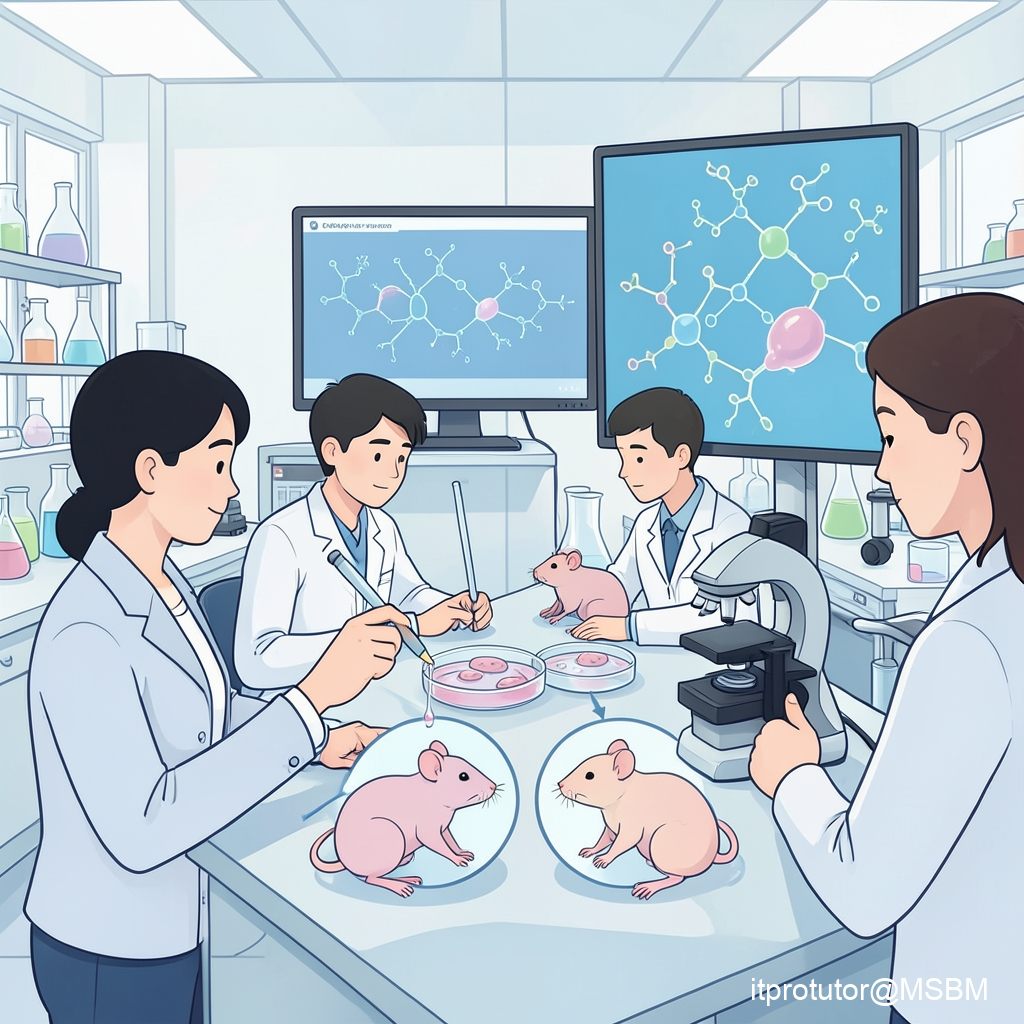
A groundbreaking Japanese research team recently utilized a CRISPR-based approach to strip the Y chromosome from male mouse cells, successfully generating viable female clones from purely male genetic material. Reproductive biologist Monika Ward highlighted the novelty of this milestone, stating, “No one has done this before.” From an IT systems perspective, this feat is the biological equivalent of rewriting core system drivers: converting an XY configuration into a functional XX operational state through precision genomic debugging.
This breakthrough forces us to re-evaluate classical biological determinism and cellular architecture models. If genetic sex can be dynamically reconfigured like modular code, how does this disrupt long-standing evolutionary paradigms and ethics in artificial reproduction? Furthermore, as we apply “system patches” to the mammalian genome, how do we guarantee biological data integrity over generations without triggering unintended system crashes? Are we entering an era where biological identity becomes as malleable as open-source software?
想像一下,如果一次系統更新不僅僅是修補軟體,而是從根本上重構了硬體架構——這正是科學家最新在基因工程領域創下的驚人突破!
日本研究團隊最近利用 CRISPR 基因編輯技術,成功剔除了雄性老鼠細胞中的 Y 染色體,並利用純雄性基因素材培育出具備生育能力的雌性複製鼠。生殖生物學家 Monika Ward 強調了這項成就的前瞻性:「在此之前從未有人做到過。」從資訊科技的系統觀點來看,這無疑是生物學上的核心驅動程式重寫:透過精準的基因碼除錯,將原本的 XY 系統組態動態重構為可執行的 XX 運作狀態。
這項突破促使我們重新審視傳統的遺傳決定論與生物系統架構。如果基因性別能夠像模組化程式碼一樣被動態改寫,這將對傳統演化模型與人工繁衍的倫理規範帶來何種衝擊?此外,當我們開始對哺乳類的基因組進行「系統補丁」時,該如何確保世代間的生物資料完整性(Data Integrity),以避免不可預期的系統崩潰?我們是否正邁向一個生物特徵如同開源軟體般可自由定義的新時代?
#CRISPR #GeneEditing #BiotechInnovation #ITProTutor
Source: MIT Technology Review