
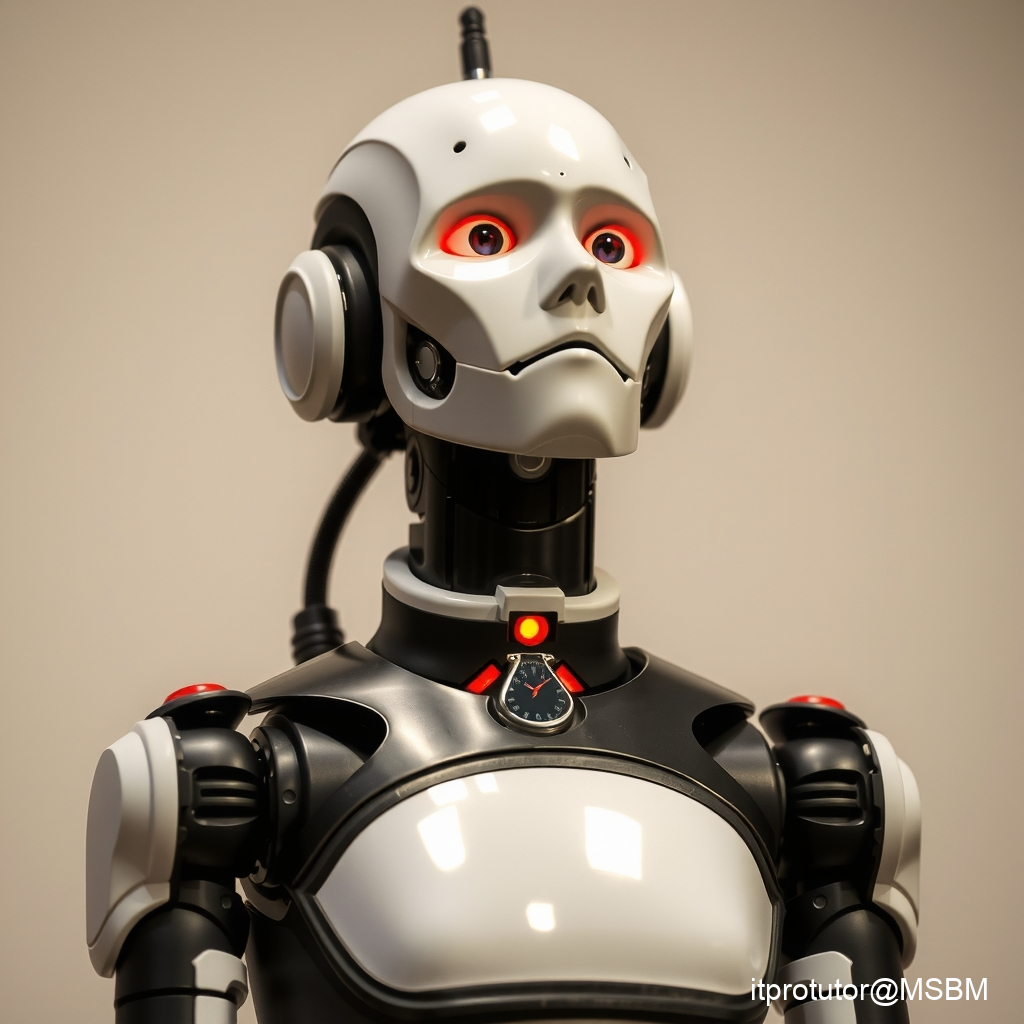
Is protectionist policy about to choke the next evolution of embodied AI before it even learns to walk?
The United States’ AI national security agenda has officially expanded beyond silicon chips and algorithmic models into physical robotics. While current humanoid robots still struggle with basic fine-motor skills, their underlying hardware and supply chains—heavily reliant on global manufacturing—are now facing strict regulatory crosshairs under new techno-nationalist trade policies.
From a system architecture perspective, hardware and software in embodied AI are fundamentally co-dependent; software cannot advance without rapid hardware iteration. Applying aggressive “techno-nationalism” to a nascent industry risks shattering open-innovation ecosystems and fragmenting international technical standards. This situation perfectly mirrors the *Collingridge Dilemma*: regulating a technology in its early stages is hazardous because its future impacts are unconfirmed, yet delaying regulation risks path dependency and lock-in. Are we weaponizing supply chain policies too early for an industry that hasn’t even mastered basic physical dexterity? How will developers balance hardware security with the need for rapid, cost-effective prototyping?
當保護主義的手伸向尚在步履維艱的具身智慧,全球機器人產業是否將迎來一場硬體「去全球化」的陣痛?
美國政府的 AI 國家安全防線,已正式從晶片與軟體模型延伸至實體機器人領域。儘管當前的人形機器人在基礎手部協調與物理操作上仍不成熟,但其高度依賴全球化供應鏈的硬體元件,現已面臨嚴格的科技政策管制與貿易壁壘。
從系統架構(System Architecture)的角度來看,具身 AI 的軟硬體演進密不可分。將「科技民族主義」(Techno-nationalism)強加於尚處於「開放創新」(Open Innovation)階段的幼年產業,恐將導致技術標準碎片化並拉長硬體迭代週期。這正好印證了「柯林格里奇困境」(Collingridge Dilemma):在技術發展早期過度介入管制,極易因無法預測技術走向而扼殺潛在創新。在機器人連基本動作都尚未完善之際,過早實施硬體封鎖究竟是維護安全還是自毀創新動能?這又將如何重塑未來 IT 架構師的供應鏈風險策略?歡迎在下方留言分享你的觀點!
#ArtificialIntelligence #Robotics #TechPolicy #ITProTutor
Source: MIT Technology Review
https://www.technologyreview.com/2026/08/03/1141056/trumps-ai-protectionism-has-come-for-robotics/