
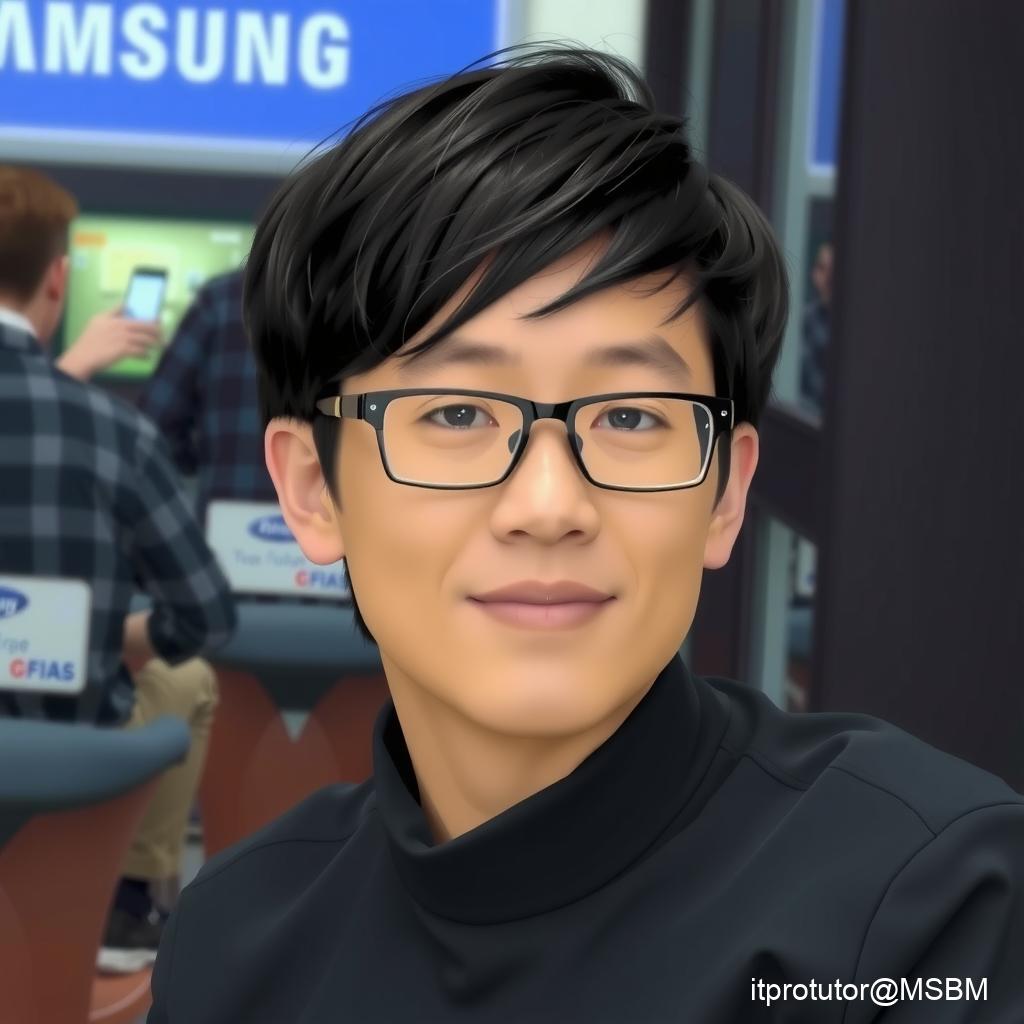
Is tech giant Samsung losing its ultimate competitive edge—its top engineering talent?
Recent reports reveal a striking trend: Samsung’s semiconductor engineers are switching off overtime to actively prepare job applications for key rival, SK Hynix. This shift highlights a growing talent drain within South Korea’s memory chip industry.
From an IT management perspective, the **Resource-Based View (RBV)** framework reminds us that human capital is a firm’s most irreplaceable strategic asset. In high-stakes tech sectors like semiconductors—especially during the AI-driven High Bandwidth Memory (HBM) race—losing skilled engineers directly compromises operational know-how and long-term innovation capabilities. When employees trade extra project hours for exit strategies, it signals deeper systemic issues in organizational culture and compensation alignment.
Is this exodus a warning sign of toxic workplace burnout, or a natural realignment in the AI chip war? How should tech leaders balance high-performance demands with effective talent retention? Share your thoughts below!
—
科技巨頭三星正在失去其最核心的競爭優勢——頂尖技術人才嗎?
最新報導指出,三星晶片部門的工程師正在改變「加班拚績效」的習慣,轉而利用下班時間準備履歷,甚至互相分享跳槽至競爭對手 SK 海力士(SK Hynix)的面試技巧。
從資訊科技管理學的**「資源基礎觀點」(Resource-Based View, RBV)**來看,高級工程師是企業最難以被複製與替代的策略性資產。特別是在 AI 驅動的高頻寬記憶體(HBM)競賽中,人才流失意味著核心技術能量與營運經驗的直接轉移。當員工寧願放棄高薪加班而選擇離開,這揭示了企業內部文化與激勵機制失效的重大警訊。
這場人才出走潮,究竟反映了企業文化的瓶頸,還是晶片霸權爭奪戰下的必然結果?作為科技業領導者,我們該如何在追求高產出的同時維持人才黏著度?歡迎在下方留言討論!
#Semiconductor #TalentRetention #TechLeadership #ITProTutor
Source: MIT Technology Review
https://www.technologyreview.com/2026/07/28/1140853/samsung-chip-workers-exodus-sk-hynix/