
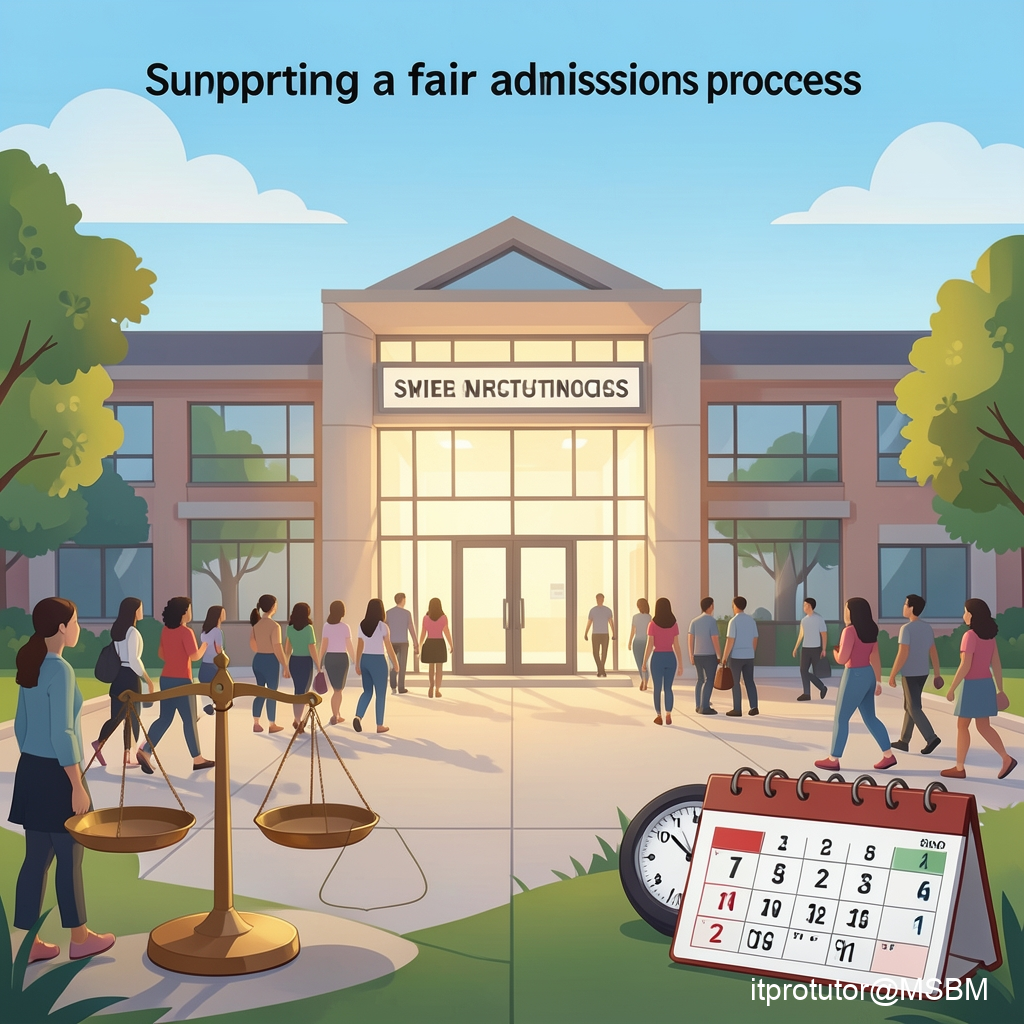
Are university admissions algorithms designed to nurture talent, or are they optimization loops exploiting behavioral psychology?
The Office for Students (OfS) has reaffirmed its commitment to a fair admissions process ahead of the 2026 confirmation and clearing cycle by backing sector guidance against predatory tactics, particularly “conditional unconditional” offers. These offers—which guarantee a place only if the student selects the institution as their firm choice—put undue pressure on applicants during a critical decision-making window.
From a systems and data engineering perspective, modern higher education admissions operate similarly to automated sales funnels. When recruitment platforms are optimized solely for applicant conversion, they trigger Goodhart’s Law: “When a measure becomes a target, it ceases to be a good measure.” By turning conditional logic into a high-pressure marketing strategy, institutions risk compromising educational integrity for raw conversion metrics. In computer science and system design, we strictly adhere to FAT principles (Fairness, Accountability, and Transparency). Should higher education intake algorithms and EdTech deployment strategies be held to any lower ethical standard?
How can EdTech developers and academic leaders re-engineer recruitment platforms to balance institutional stability without stripping students of their autonomous decision-making power?
—
大學收生系統究竟是人才培育的優化管道,還是利用行為心理學鎖定客源的演算法陷阱?
英國學生辦公室(OfS)在 2026 招生週期前,公開強調維護公平收生程序的決心,特別嚴格監管「附帶條件的無條件錄取」(conditional unconditional offers)。此類策略規定學生必須將該校列為第一志願才能獲得無條件取錄,極易使申請者在資訊不對稱與時間壓力下做出非理性選擇。
從資訊系統與數據架構的角度分析,現代高等教育的招生機制運作模式極其類似自動化的行銷轉化漏斗。當招生系統被高度優化以追求報讀率(Yield rate)時,便會完美體現「古德哈特定律」(Goodhart’s Law)——當一個指標變成操作目標時,它就失去了作為客觀指標的價值。若演算法與 CRM 系統被用來執行高壓招攬策略,這究竟是教育科技的進步,還是系統倫理的崩壞?在 IT 領域,我們強調演算法的 FAT 原則(公平性、問責性與透明度),教育系統的招生運算邏輯豈能例外?
我們該如何重新設計 EdTech 系統,才能在維持院校營運效率的同時,真正捍衛學生的自主選擇權?歡迎分享你的看法!
#EdTech #AdmissionsEthics #DataEthics #ITProTutor
Source: Office for Students